

Can dogs and cats drink tap water?
Share
Part of our tap water guide
The bowl is empty and the tap is right there. What do the pet charities say should go in it, and what comes out of your tap, which you can check with a 20-in-1 test strip?
Short answer: Yes, going by UK pet charities, which ask for clean, fresh water at all times. The PDSA tells dog owners to take tap water to the beach. Cats Protection says some cats are sensitive to tap water chlorine. The DWI reports 99.97% overall compliance for England in 2025, an area figure, not a reading of your tap.
By Andrew Tomlinson, WaterKit · Last reviewed 29 October 2026
Can dogs and cats drink tap water?
Going by the UK pet charities we read, yes, provided the water is clean and fresh. None says to avoid tap water or to use bottled water instead. The PDSA's beach advice tells owners to take plenty of fresh tap water and a travel bowl so a dog is not tempted by rock pools, puddles or the sea. If you want to see what is in your own tap water, you can check it with a 20-in-1 test strip.
| Body | What it says about a pet's water |
|---|---|
| PDSA | The Animal Welfare Act 2006 places a legal duty on owners, and the diet need includes access to fresh clean water |
| RSPCA | Give a dog constant access to clean drinking water. Make sure a cat always has clean drinking water, and talk to a vet if their drinking habits change |
| Dogs Trust | A dog should always have access to water. It lists "changes in the water itself" among reasons a dog may drink less |
| Cats Protection | Keep clean, fresh water available all the time, with tips to encourage a cat to drink more (next section) |
| Blue Cross and Battersea | Clean water at all times, and 24-hour access to fresh water for a puppy |
Defra's codes of practice for dogs and cats say they do not tell you precisely how to care for a pet. For the tap side, the Drinking Water Inspectorate (DWI) reports 99.97% overall compliance for England in 2025, from about 3.6 million tests across 24 water companies serving 59.74 million consumers. In the sources we read, we found no UK water limits written for pets. If your pet has a health condition or a special diet, ask your vet.
Why do some cats turn their nose up at tap water?
Chlorine is one reason, according to Cats Protection. Among its tips to get a cat drinking more, it suggests offering filtered water because some cats are sensitive to the chlorine in tap water. Its other tips are below.
- Turn a tap on for a cat that likes moving water, and consider supervising if it likes drinking from taps.
- Use a wide bowl so the whiskers do not touch the sides.
- Choose ceramic, metal or glass, because plastic can taint the water.
- Keep water away from the food and the litter tray, and offer more than one bowl.
In the pet charity and official pages we read, none gives a chlorine level at which a cat or dog objects. Our chlorine guide covers why it differs between homes, and the guide to removing chlorine covers what UK bodies advise people to do.
Why might the water in your pet's bowl differ from the area figure?
The area figure is an average. Your tap may not match it, because the DWI says the plumbing inside a property can change what comes out of the tap. A figure for the area does not tell you what comes out of your own tap, or what is in a bowl that has been sitting for hours.
“If your pet's bowl is filled from a different tap, or has been sitting a while, I would not assume it matches the area figure. The pipes and tanks inside your home can change what comes out, so a quick check of your own tap is a sensible habit.”
Several things sit between the water company's main and the bowl.
- Your pipes and tanks. The age of the building and any cold water tank change the route the water takes. Our loft tank guide explains what the tank does.
- The bowl. Dogs Trust advises keeping water fresh and the bowl clean, and Cats Protection says plastic can taint water.
- The water itself. Dogs Trust lists changes in the water among reasons a dog may drink less.
- A private supply. If your water comes from a well or borehole, the water company's figures do not describe it. See our well and borehole water guide.
A strip dipped in water from the kitchen tap, and another from the tap you fill the bowl from, would show whether the two readings differ. Our home water testing guide covers the steps.
Is bottled, mineral or filtered water better for pets?
In the pet charity and official pages we read, none says so. Cats Protection suggests filtered water for chlorine-sensitive cats, the only mention of a non-tap water for pets in the pages we read. The DWI notes that manufacturers' claims for filters sometimes make people concerned about their tap water. Our filter guide covers the rest.
What about puddles, ponds and the sea?
The British Veterinary Association (BVA) advises keeping dogs on a lead near water known or suspected to have blue-green algae, and not letting them swim in it or drink from it. In June 2023 it said the algae can make dogs seriously unwell and can be fatal. The PDSA says drinking sea water can give a dog sickness or diarrhoea, and in some cases make it seriously ill and dehydrated.
How can you check the water your pet drinks?
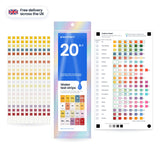
Dip a strip in a clean glass of cold tap water, wait 30 to 60 seconds and match the pads to the chart, or enter the colours in our results portal. We have not run strips on pet bowls, and these readings are our own reading of the chart. The free checker needs no app or account, and the QR code on your chart opens it.
- Free and total chlorine. The chart steps are 0, 0.5, 1, 3, 5, 10 and 20 mg/L. Comparing a reading from the tap with one from filtered water would indicate whether the level changes. We cannot say what level a cat notices.
- Bacteria. The optional rapid test is a presence screen for coliforms in a tap water sample, read after 24 to 48 hours. We do not claim it for a pet bowl.
The strip cannot read lead at the UK limit. If your home may have lead pipes, see our lead pipes guide. A strip result is not a legal sample.
The area figure is an average, and the DWI says the plumbing inside a property can change what comes out of the tap, so your own tap may differ from it. The free and total chlorine pads are the ones that matter here, and a different reading between the tap and filtered water would indicate that the chlorine level changes. Best pack: 20 strips, enough to read your kitchen tap and the tap you fill the bowl from, then again after a change, £5.99 (or £10.99 with a bacteria test), with free 2nd Class delivery on every order. See the kit
Your dog and cat water questions
Can dogs drink bottled water? Can dogs have bottled water?
In the pet charity and official pages we read, none addresses it. The PDSA's beach advice tells owners to take tap water for their dog.
Can cats drink bottled water?
In the pet charity and official pages we read, none addresses it. Cats Protection mentions filtered water for chlorine-sensitive cats and does not mention bottled.
Can dogs drink mineral water? Can dogs have mineral water? Can cats drink mineral water?
In the pet charity and official pages we read, none addresses it. Our mineral water versus spring water guide explains how the bottled water types differ.
Do I need a pet water test kit?
None of the pet charity and official pages we read recommends one. A 20-in-1 strip reads the water from your own tap, which an area figure cannot tell you.
Can dogs drink filtered water? Can dogs have filtered water? Can cats drink filtered water?
Cats Protection suggests filtered water for cats sensitive to chlorine. In the pet charity and official pages we read, none says it for dogs.
Is filtered water good for dogs? Is filtered water better for dogs?
In the pet charity and official pages we read, none rates filtered water for dogs.
Why does my tap water smell like wet dog?
The official sources we read do not use that phrase. Our guides to bad taste and egg smells cover the causes the official sources give for odd tastes and smells. If a smell persists, contact your water company.
Sources
- Defra, Code of practice for the welfare of dogs and Code of practice for the welfare of cats (England; pages published 8 April 2013, last updated 6 April 2018; the codes do not tell you precisely how to care for a pet; read 29 October 2026).
- RSPCA, How to feed your dog a healthy diet and What to feed your pet cat (clean drinking water, talk to a vet if drinking habits change; undated pages; read 29 October 2026).
- Dogs Trust, How much water should a dog drink? (always access to water, fresh water and clean bowl, reasons a dog may stop drinking; undated page; read 29 October 2026).
- Cats Protection, Cats and drinking (clean, fresh water all the time, bowl advice, filtered water for chlorine-sensitive cats, turning a tap on; undated page; read 29 October 2026).
- Blue Cross, Keeping your pet safe in the summer sun (clean water at all times; page reviewed 4 July 2023, and its next review date of 3 July 2026 has passed; read 29 October 2026). PDSA, Your pet's 5 welfare needs (Animal Welfare Act 2006 duty, diet need; undated page) and 5 ways to keep your dog safe at the beach (blog post dated 10 August 2021; fresh tap water, travel bowl, sea water), and Battersea, Feeding your puppy (24-hour access to fresh water; undated page; read 29 October 2026).
- British Veterinary Association, Stay away from blue-green algae and keep your dogs safe (news article dated 15 June 2023; read 29 October 2026).
- Drinking Water Inspectorate, Domestic water filters and softeners (manufacturers' claims sometimes cause concern about tap water; undated page; read 29 October 2026).
- Drinking Water Inspectorate, Drinking Water 2025, compliance with water quality standards (overall 99.97%, 24 water companies, 59.74 million consumers, about 3.6 million tests; the point that plumbing inside a property can change what comes out of the tap is the DWI's, as relayed in our research brief; read 25 October 2026).
- WaterKit, Water Test Kit (20-in-1 strip, 30 to 60 second read, optional rapid coliform test read after 24 to 48 hours, 20 strips from £5.99, free 2nd Class delivery on every order, 30-day money-back guarantee) and results portal. The chart-step comments are WaterKit's own reading of the colour chart.
Contains public sector information licensed under the Open Government Licence v3.0.