

How do you filter tap water at home?
Share
Part of our filters and softeners guide
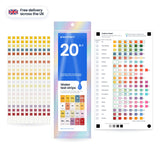
A jug on the worktop, a unit under the sink or a fridge dispenser. Which does what, and how do you look after it so it does not cause problems of its own? You can compare your tap water before and after at your own tap with a 20-in-1 test strip.
Short answer: Fill a filter jug from the cold tap, or use an under-sink unit or fridge with a built-in water jug, and follow the maker's instructions. Welsh Water advises keeping jug water in the fridge and using it within 24 hours. The Drinking Water Inspectorate says removing taste and odour is the most common reason to buy a filter.
By Andrew Tomlinson, WaterKit · Last reviewed 29 October 2026
How do you filter tap water at home?
You pass cold tap water through a jug, an under-sink unit or a fridge dispenser, and where the filter sits decides how you look after it. Whether you should filter at all is a separate question, covered in our guide on whether to filter your tap water.
| Where it sits | What the sources say |
|---|---|
| Jug | The Drinking Water Inspectorate (DWI) says jug filters stand alone and are not connected to the water supply. Welsh Water says to run the cold tap for a minute or two before filling |
| Under the sink, in line | Welsh Water says it is usually fitted by a plumber. The DWI says to use a qualified plumber and check with your water company first that the device meets the water fittings regulations |
| Fridge with a built-in water jug | The DWI says you must follow all the manufacturer's instructions carefully, because not doing so can cause hygiene problems |
One legal point applies in England and Wales. Regulation 5 of the Water Supply (Water Fittings) Regulations 1999 requires you to give the water company notice, and to have its consent, before installing a unit that incorporates reverse osmosis, or a treatment unit that produces waste water or needs water for regeneration or cleaning.
What is filtered water?
It is tap water that has passed through a filter, so that some things in it are reduced. The DWI, Welsh Water and Severn Trent pages we read give no formal definition. What changes depends on what is inside, and the DWI's guidance for private water supplies sets out the main types.
| Inside the filter | What the DWI table says it treats | The drawback it lists |
|---|---|---|
| Particle filter (pleated paper, woven cartridge or ceramic candle) | Particles, colour and turbidity | Prone to blockage, and bacteria can grow within the filters |
| Activated carbon | Colour, taste, odour, pesticides and trihalomethanes, and it acts as a physical filter for particles | Taste and odour from bacteria growing on the filter if it is not changed often enough |
| Ion exchange | Normally hardness and nitrate | Needs periodic backwashing and salt top-ups. The DWI describes these as units typically used in domestic water softeners |
| Reverse osmosis | Chemicals that are hard to remove by other treatment | Lots of waste water, minerals reduced to unacceptable levels, and pH that can fall far enough to corrode pipework |
For mains water, the DWI's filters page adds that reverse osmosis units waste 20 to 30% of the incoming flow and that the water is not generally considered suitable for drinking and cooking. Our reverse osmosis guide covers that type.
How do you use a jug filter without causing problems?
Fill it from a freshly run cold tap, keep the filtered water in the fridge and use it within 24 hours. Welsh Water gives these steps, and the DWI adds that you must follow all the maker's instructions.
- Run the cold tap for a minute or two before filling the jug (Welsh Water).
- Keep filtered water in the fridge and use it within 24 hours (Welsh Water).
- Do not leave it standing in direct sunlight (Welsh Water).
- Wash the jug with hot soapy water regularly, but not the filter itself (Welsh Water).
- Change the cartridge on the maker's schedule (DWI and Welsh Water), as our guide on how often to change a water filter sets out.
The reason is chlorine. Welsh Water's leaflet says jug filters remove it, and water companies add it to stop bacteria re-growing, so filtered water can deteriorate quickly. It adds that sunlight promotes algae in water without chlorine. On black specks, the DWI says they are likely to be carbon from the filter, not from your tap water, and Welsh Water says they can signal a fault and a cartridge that needs replacing.
How do you choose a water filter?
Start with the one thing you want to change, then check that the filter says it does that. These four checks build on the DWI's advice.
- Name the aim. The DWI says to look for activated carbon if taste or odour is yours. Limescale is a softener question, covered in our guide on filters and softeners.
- Read your water quality report. The DWI advises asking your water company for its report before buying any filter or softener. It shows the legal standards and the levels in your area's tap water.
- Try the cheap option. The DWI says a clean, covered glass jug of drinking water in the fridge is more cost-effective than a carbon filter.
- Check the fitting. For plumbed-in units the DWI says the product must comply with regulation 4 of the Water Fittings Regulations, suppliers must be able to show this, for example through UK certification, and a qualified plumber should fit it.
The DWI also warns against buying any device from a door-to-door seller, especially one offering to test your water. Which? points out that replacement cartridges add up over time.
Why might your own tap differ from the area figure?
The area figure is an average. Your tap can differ because of the pipes in your building, how long water has stood and how far you are from the treatment works. The DWI says public supplies in England and Wales are regularly tested and that home treatment is not needed as a health protection measure.
- It is a summary. Welsh Water says its zone reports summarise all the samples taken in each zone over a year and are not property specific.
- The last metres of pipe. The DWI says particles or colour can come from a fault with pipes and fittings that the building owner is responsible for. Welsh Water says lead pipes can still be found in properties built before 1970 that have not been fully modernised, and lead solder was used on internal pipework up to the 1980s. A strip cannot read lead at the UK limit, so see our guide to lead pipes.
- Chlorine varies. The DWI says homes nearer the treatment works can get a little more chlorine, and that companies typically keep it to 0.5 mg/l or less.
- Standing water. The DWI says to draw off a washing-up bowlful after several hours unused, and that hot and bathroom taps usually come from a loft tank and are not as fresh.
“An area report is a summary across a whole zone, so I would not treat it as a description of what comes out of your own kitchen tap. The pipes in your building and how long the water has been standing can both make a difference”
What one reader found
A poster on the MoneySavingExpert Forum, in an August 2005 thread titled "Water filter jugs", described Manchester tap water as "horrible and so chloriney" and said they used a standard filter jug. They said the cartridges did not need replacing as often as the packaging says, and that they got through about one every three months. That is one person's account from 2005. The DWI and Welsh Water both say to change cartridges on the maker's schedule, and the Manchester water guide covers the local hardness. Shared on MoneySavingExpert Forum
How can you test filtered water?
Test the same tap water twice, once from the tap and once straight after the filter, with a fresh strip each time. Run the cold kitchen tap first, fill a clean glass or cup, dip one strip, wait 30 to 60 seconds and match the pads to the chart, or enter the colours in our results portal. Which? does the same for jugs, using hardness strips on tap and filtered water and treating barely changed colours as a sign the filter is doing little. The free checker needs no app or account, and the QR code on your chart opens it.
The strip has limits. The first colour steps for lead, fluoride, nitrite, iron, aluminium, chromium and mercury sit above the UK limits, so a clear pad says nothing about whether a filter works on them. The chart reads in set steps, so a change between two steps will not show, and a strip result is not a legal sample. The optional bacteria test is a presence screen read after 24 to 48 hours, so the DWI's advice to change cartridges on time still applies. The table below is our reading of the chart steps.
| Pad | Chart steps | What before and after can show |
|---|---|---|
| Hardness | 0, 25, 50, 100, 250, 425 (unit basis unconfirmed) | A lower step after filtering indicates the filter reduced hardness. The DWI says ion exchange is the type that normally treats it |
| Copper | 0, 0.2, 0.5, 1, 2, 5 mg/L | A tap reading of 0.2 or more and a lower step after filtering indicates a change. A tap reading of 0 leaves nothing to compare |
| Nitrate | 0, 10, 25, 50, 100, 250, 500 mg/L | A tap reading of 10 or more and a lower step after filtering indicates a change |
The area figure is an average, and Welsh Water says its zone reports are not property specific, so your own tap may read differently. The hardness, copper, nitrate and chlorine pads are the ones that matter for a filter check. A lower step after the filter indicates it changed that reading, while colours that barely move suggest it is doing little for that pad. Best pack: 20 strips, enough for 10 tap-and-filtered pairs (our arithmetic) across a cartridge's life, £5.99 (or £10.99 with a bacteria test), with free 2nd Class delivery on every order. See the kit
Your filtering questions
How to filter tap water
Fill a filter jug from the cold tap, or use an under-sink or fridge unit, and follow the maker's instructions.
How to filter water at home
The same routes. Welsh Water says to keep jug water in the fridge and use it within 24 hours.
What is filtered water?
Tap water that has passed through a filter. The official pages we read give no formal definition.
What does filtered water mean?
Only that the water went through a filter. The DWI's table shows different filters treat different things.
How to choose a water filter
Name what you want to change, read your water quality report, then check the maker says the filter does that.
Which water filter
We do not recommend one, and the DWI and water company pages we read do not rank filters. Which? tested 10 jugs in April 2025, but its scores are for members only.
Is fridge water filtered
The DWI refers to modern fridges with a built-in water jug and says to follow the maker's instructions. The sources we read give no filter-life figure, so check the manual.
How to test filtered water
Test tap water and filtered water with a fresh strip each, one straight after the other, and compare the pads.
How to make filtered water at home
Use a filter jug or have a unit fitted, as above. The sources we read cover bought filters only.
Sources
- Drinking Water Inspectorate, Domestic water filters and softeners (undated page; jug filters stand alone; activated carbon for taste and odour; covered jug in the fridge; water quality report; door-to-door warning; regulation 4; plumber; reverse osmosis waste 20 to 30% and notice; particles and colour; read 29 October 2026) and Chlorine (undated page; typical chlorine 0.5 mg/l or less; fridge with a built-in water jug; standing water; TCP-like tastes; read 29 October 2026).
- Drinking Water Inspectorate, Comparison of treatment capabilities and verification of treatment solutions (undated private supplies guidance; the table of filter types, what each treats and its drawbacks; read 29 October 2026).
- The Water Supply (Water Fittings) Regulations 1999, regulation 5 (notice before installing a reverse osmosis unit or a treatment unit with waste water or regeneration; marked as applying in England and Wales; read 29 October 2026).
- Dŵr Cymru Welsh Water, Water quality in the home (undated; in-line and jug filters; jug steps; black particles; zone reports; lead pipes in homes built before 1970; read 29 October 2026) and Customer information INFO 0080, Jug filters (undated leaflet; chlorine, bacteria and algae; read 29 October 2026).
- Which?, Best water filter jugs, tried and tested (page dated 20 August 2026; jugs tested April 2025; hardness strip method; cost of replacement filters; scores for members only; read 29 October 2026).
- MoneySavingExpert Forum, Water filter jugs (thread dated 8 August 2005; one forum member's account, paraphrased; read 29 October 2026).
- WaterKit, Water Test Kit (20-in-1 strip, 30 to 60 second read, optional rapid coliform test read after 24 to 48 hours, from £3.99 for 10 strips, free 2nd Class delivery on every order) and results portal. The pad table and the comments on expected readings are WaterKit's own reading of the colour chart steps.
Contains public sector information licensed under the Open Government Licence v3.0.