

Can you drink bathroom tap water in the UK?
Share
Part of our tap water guide
The kitchen cold tap runs off the mains. The bathroom tap might not. Does it matter? You can check this at your own tap with a 20-in-1 test strip.
Short answer: Sometimes. The Drinking Water Inspectorate (DWI) says not to use hot water or bathroom tap water for drinking or cooking, because it usually comes from a loft storage tank. It says to drink from a mains-fed tap, nearly always the kitchen cold tap, and that a drinking-water tank of 250 litres is quite sufficient for most homes.
By Andrew Tomlinson, WaterKit · Last reviewed 29 October 2026
Why would a bathroom tap be different from the kitchen tap?
Because it may be fed from a different place. The Drinking Water Inspectorate says many older properties have a cold water storage tank in the roof space or loft. In most cases it feeds the upstairs bathrooms, and in some homes every cold tap is fed from it. In an older house the kitchen cold tap may be the only tap connected directly to the mains. In newer homes, especially those with unvented heating systems, all the hot and cold taps are likely to be supplied directly under mains pressure.
The DWI says water in a tank will deteriorate if it has no lid, the water becomes warm, too much is stored and it turns over slowly, the tank is made from or lined with an unsuitable material, or an unqualified person works on it.
How do I tell which taps are on the mains?
Use the DWI's thumb check. Open the tap fully and put your thumb over the outlet. If you can hold back all the water, the tap is likely connected to a tank and not the mains. If you are unsure, the DWI says to ask a qualified plumber to check the arrangements.
If you rent, the DWI says your landlord or managing agent should be able to tell you whether the drinking water comes from storage and what inspection and maintenance has been done. If you rent privately, your landlord is responsible for the tank checks.
Is tank water okay to drink?
It can be, but the DWI's advice points both ways. On its tanks page it says that if your drinking water comes from a storage tank it can be used when the tank is properly designed, correctly installed and kept in good condition, though ideally you should only use a mains-connected tap. On its chlorine page it says not to use hot water or bathroom tap water for drinking or cooking, because it usually comes from a loft tank and is not as fresh as water straight from the mains. Here is the DWI's checklist for a tank.
| What to check | What the DWI says |
|---|---|
| Size | Not too large, so the water is replaced often. 250 litres is quite sufficient for most homes |
| Material | Approved materials. Older galvanised iron tanks rust, which can bring bits in the water, a brown or yellowish tinge or a metallic taste. Modern plastic tanks designed for drinking water with a close-fitting cover are unlikely to cause problems. Look for the Water Regs UK Approved Product logo |
| Lid | Tight and secure, keeping light out and birds, vermin and dust out |
| Vents | Including the overflow, screened so insects and particles cannot get in |
| Temperature | Insulated, out of sunlight and away from heat, so the water stays as cold as practicable |
| Checks | Periodic visual checks for scale or deposits on the tank floor, and that the lid and screens are secure |
If a tank supplies drinking water, the DWI recommends checking the tank's condition and the water quality annually, and says a WaterSafe registered plumber can do the tank check.
Why might my bathroom tap differ from the water the company supplies?
Your tap sits at the end of your own plumbing, and the DWI points to several reasons it can differ.
- The tank. Water that sits for long, warms up, or sits in an uncovered or unsuitable tank deteriorates, according to the DWI.
- Standing water. After several hours with no water used, the DWI says to draw off a washing-up bowlful before drinking.
- Chlorine. The DWI says the level can be a little higher near a water treatment works than at homes several miles away, and can rise during maintenance on the network.
- Fittings. The DWI says a strong smell or TCP-like taste may point to your home plumbing, naming appliance hoses and some plastic kettles and anti-splash devices in modern taps.
The DWI says the building owner is responsible for the plumbing system, and your water company enforces the Water Fittings Regulations 1999 and will carry out an inspection on request.
“The area figure only tells you about the water the company supplies, not what has been through your own loft tank and pipework. If your bathroom and kitchen cold taps might be fed differently, comparing the two is a sensible way to see whether your own taps match the average.”
What one reader found
In a 2022 Mumsnet thread asking whether it is okay to drink from the bathroom tap, one poster said their own bathroom tap was mains fed, as was their partner's kitchen tap. Their partner's bathroom tap, though, came from a tank. They wrote "I'd been guzzling from it for months before he told me this", and it shows that two taps in one house can have different sources and that nothing about how they look gives it away. Shared on Mumsnet.
How can I check my own taps?
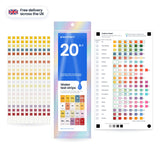
Compare the kitchen cold tap with the bathroom cold tap. The WaterKit Water Test Kit has a free chlorine pad and a total chlorine pad on its 20-in-1 strip. Fill a clean glass from the kitchen cold tap, dip one strip, wait 30 to 60 seconds and match the pads to the chart, or enter the colours in the results portal, which you can also reach by scanning the QR code on the chart. Then repeat with a fresh strip at the bathroom cold tap.
The DWI says that in England and Wales water companies typically keep chlorine at 0.5 mg/l or less, and that most aim to stay below 1 mg/l. The portal's typical band runs up to 1 mg/l, which is WaterKit's own band and not a legal limit, as our chlorine guide explains. The DWI says leaving a jug of tap water in the fridge for a short period reduces the chlorine smell and taste, so our reading is that a lower chlorine result at a tank-fed tap would fit water that has stood longer. That is our inference, not the DWI's.
The strip has limits. Its iron pad's first colour step (1 mg/l) sits above the UK limit, so a clear iron pad does not rule out the rust the DWI describes in old galvanised tanks. A brown tinge is a visual clue, and our brown or cloudy water guide covers it. The strip cannot read lead at the UK limit, so see our lead pipes guide instead. A strip result is not a legal sample.
The bacteria test is an optional add-on in a separate pouch, read after 24 to 48 hours. It is a presence screen for coliforms in a small sample, not a count and not a legal sample. If the sample turns yellow, the portal reports that coliform bacteria are likely present and suggests boiling water for drinking, cooking and cleaning teeth until it is confirmed and re-testing with a fresh sample.
The area figure is an average, and your own tap may differ because of the tank, water that has stood in the pipes, your distance from the treatment works and your own fittings, as the DWI describes above. The pads that matter here are free chlorine and total chlorine, and a gap between the kitchen and bathroom cold taps would indicate that the two are not being supplied in the same way, which is worth following up with the tank checklist above. Best pack: 20 strips, enough to test the kitchen cold tap and each bathroom cold tap, then repeat after the water has stood overnight, £5.99 (or £10.99 with a bacteria test), with free 2nd Class delivery on every order. See the kit
Your bathroom tap water questions
Can you drink bathroom tap water in the UK?
It depends on how the tap is fed. The DWI says ideally to use only a mains-connected tap for drinking, food preparation and cleaning teeth, and not to use bathroom tap water for drinking or cooking because it usually comes from a loft tank. It says tank-fed water can be used if the tank is properly designed, correctly installed and kept in good condition.
Is hot tap water okay to drink?
The DWI says not to use hot water for drinking or cooking, because it usually comes from a loft storage tank rather than directly from the mains.
Why does my bathroom water taste different?
The DWI says old galvanised iron tanks rust, which can give a brown or yellowish tinge or a metallic taste. It also says a particularly bad smell, or a TCP-like taste, may point to your home plumbing and that you should contact your water company.
How do I know if my tap is on the mains?
Use the DWI's thumb check above, and ask a qualified plumber if you are unsure.
Where can I read about tap water in general?
Our wider tap water guide has the national figures.
Sources
- Drinking Water Inspectorate, Water storage tanks and cisterns (loft tanks and which taps they feed, the mains-connected tap preferred, the thumb check, the tank checklist including 250 litres, what makes tank water deteriorate, annual checks, owner and landlord responsibilities, the Water Fittings Regulations 1999; undated page; read 29 October 2026).
- Drinking Water Inspectorate, Chlorine (chlorine typically 0.5 mg/l or less and most companies aiming below 1 mg/l; chlorine varying with distance from the works; the fridge jug; draw off a bowlful after standing; not using hot water or bathroom taps for drinking or cooking; TCP-like tastes and home plumbing; undated page; read 29 October 2026).
- Mumsnet, Random question, is it ok to drink water out the bathroom tap? (a public thread from 10 November 2022; one poster's account, not a source for any figure; read 29 October 2026).
- WaterKit, Water Test Kit (20-in-1 strip, 30 to 60 second read, optional rapid bacteria test read after 24 to 48 hours, strips from £3.99, free 2nd Class delivery on every order) and results portal (the chlorine band, the coliform result text and the comparison between taps are WaterKit's own reading).
Contains public sector information licensed under the Open Government Licence v3.0.